Happy Friday everyone! Today’s flower of the day is not actually a real flower, it’s a flower on a cup, hanging on a tree! I love the idea of hanging cups in a tree, especially when you’re visiting a garden tea room. This was discovered at the Camellia Gardens we visited this morning. It did feature a rose on the cup so I figured it’s perfect for today’s flower.
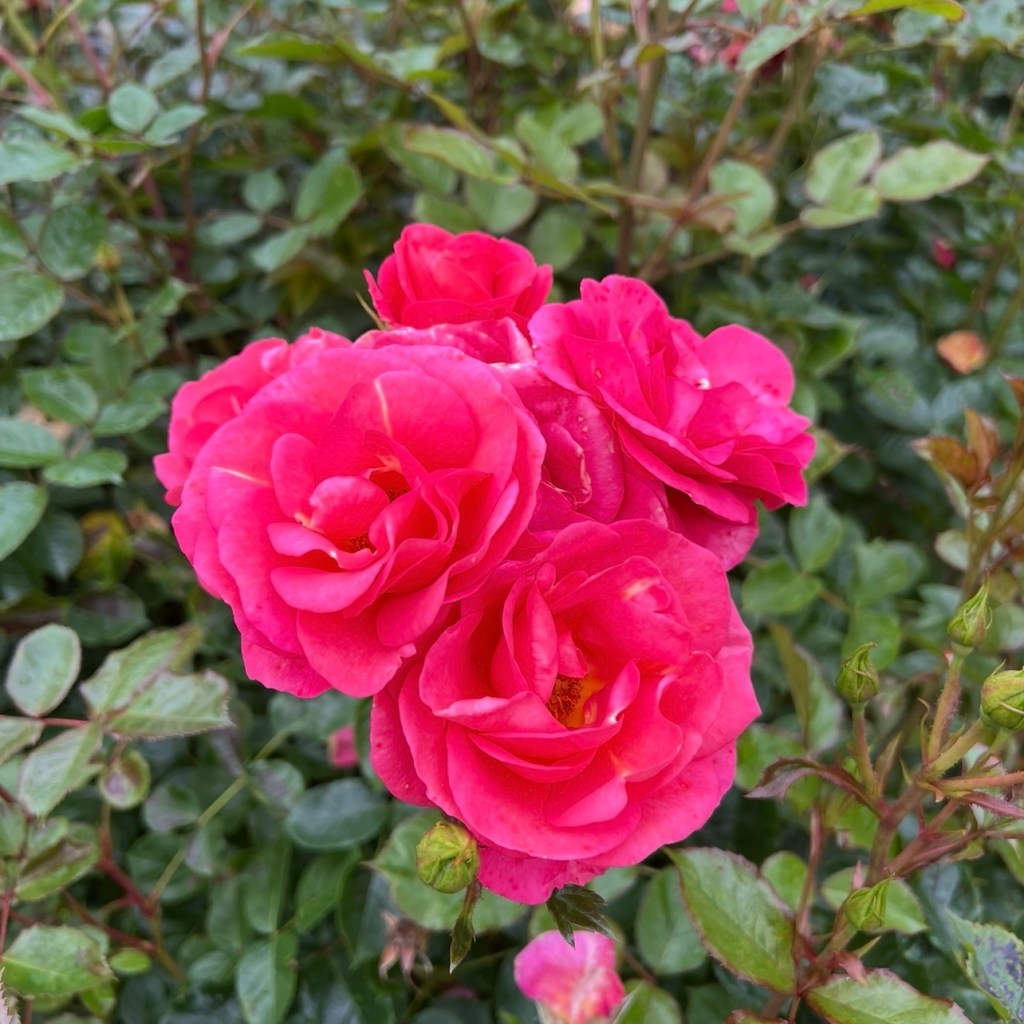
Happy Friday everyone! I was going through all my flower images this morning and thought I would post the last few roses that I have in my collection. After today, I will be roseless but I have so many other flower species to showcase. These roses were spotted in Sir Thomas and Lady Dixon Park in Belfast during their rose fair event that they hold annually.
“We can complain because rose bushes have thorns, or rejoice because thorn bushes have roses.” – Abraham Lincoln
It’s a little nod to Wayne’s World, but instead of ‘party time, excellent’ (if you are aware of the cult nineties classic) I will be diving into one WORD each day. It could be something I learned, something bizarre that happened, a favourite word that I have rediscovered or just a thought that won’t leave me alone.
If you’re joining in on today’s word, feel free to use this tag to connect your post to the series: #WaynesWord
Today’s word is HABIBI.
Today’s word is a term of endearment from the Middle East and simply means “my love” or “my dear.”
It isn’t just for people you love, in Arabic-speaking communities, habibi is used for friends, family, kids, even the guy who makes your coffee just right every morning. It’s affection packed into a single, beautiful word and can be thought of as of the equivalent of “darling” or “sweetheart,” but with more cultural soul and musicality.
I first heard it in my nursing profession, when some Arabic patients would call me habibi for looking after them as a term of gratitude. I heard it again today and I thought, yes that’s a fantastic word.
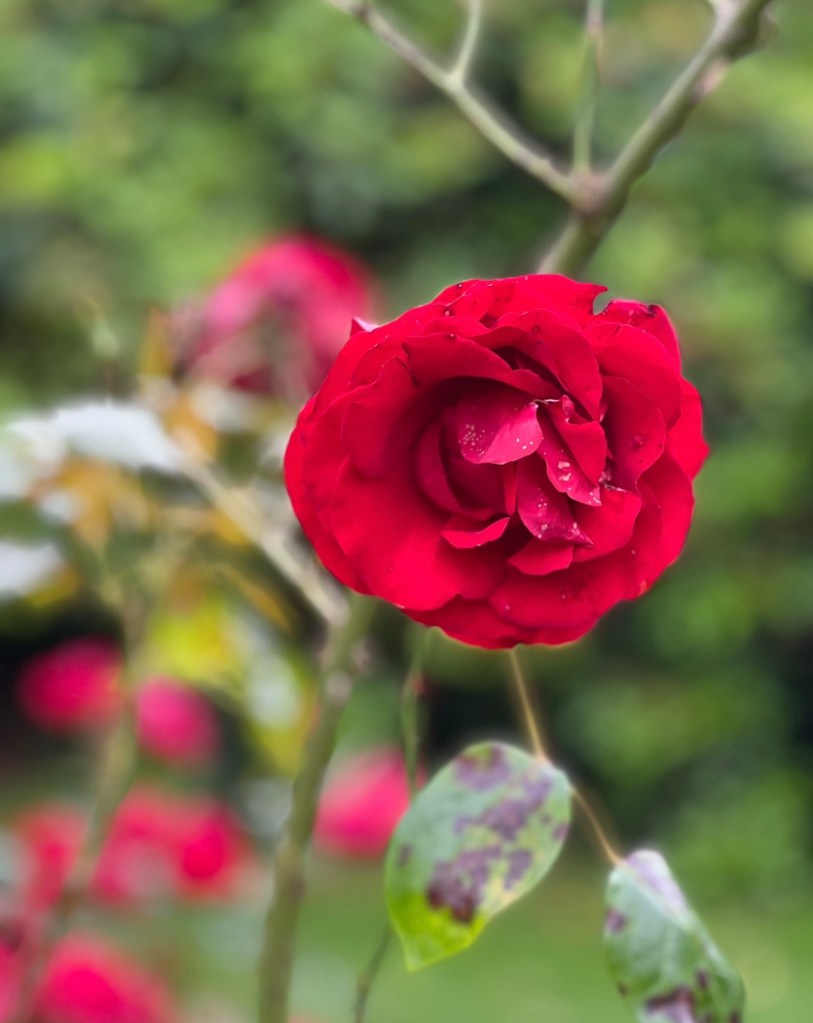
I thought I would tie in my word today with a flower of the day, seeing as it’s Friday. Today I am showcasing the classic red rose.
In many Middle Eastern cultures, red roses often symbolize romantic love, so they’re commonly used in music, poetry, and art alongside terms like habibi. For example: in Arabic love poetry and songs, phrases like “ya habibi” are often paired with floral imagery.





 WrookieSchU